Spirit animal meanings · 🐺 Wolf
Wolf spirit animal meaning: loyalty, instinct and strength in the pack
The wolf spirit animal means loyalty, instinct and strength that comes from the pack. If the wolf is yours, you protect your own fiercely, trust your gut and lead by being relied on.
- Loyal
- Intuitive
- Protective
- Team-oriented
- Resilient
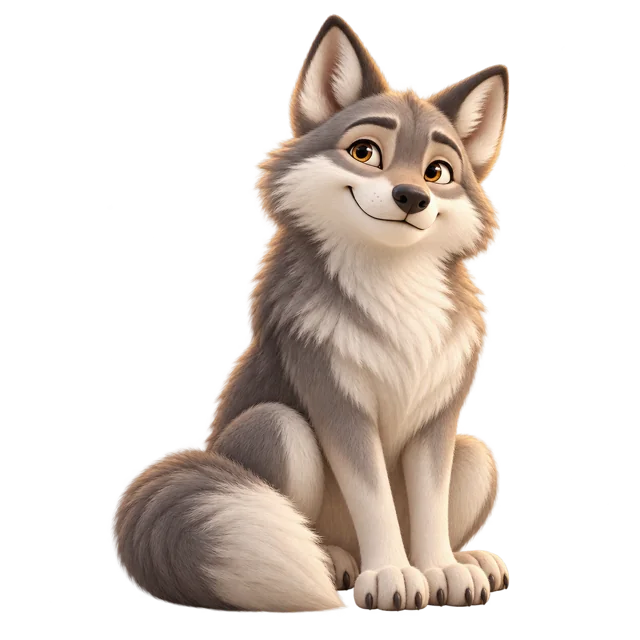
“Spirit animal” is used here in the popular online sense: an animal as a symbol for a way of moving through the world. This guide does not identify a spiritual guide or represent the beliefs or totem traditions of any Indigenous culture.
What the wolf spirit animal means
A wolf spirit animal, in the everyday sense, means belonging. Wolves hunt, travel and raise their young together, and the lone wolf of the saying is the exception, not the rule. People who choose the wolf are usually loyal, intuitive and team-first, with a clear sense of who their people are and a long memory for who let them down.
It is also the animal of instinct. A wolf reads the forest, the weather and the pack without a word. People who choose it tend to trust their gut and expect others to earn trust rather than be given it.
On this site the wolf is one of 31 quiz results and the pattern for loyal, protective, intuitive people who work best in a close group. The quiz does not claim to find a spiritual guide; it matches how you tend to think and work to the closest animal.
Wolf symbolism in stories and culture
The wolf suckled Romulus and Remus, ran with Odin, and stalked Little Red Riding Hood. It has been both the founder of Rome and the villain of every forest, which is why the symbol is so strong: loyalty and ferocity in one animal, depending on whether you are inside the pack or outside it.
Modern readings favour the pack. A wolf on a team logo means loyalty, endurance and strength in numbers, and "the strength of the pack is the wolf" has become the standard line about teams.
If the wolf is your spirit animal
As a person, the wolf is the one the team calls first. You are loyal to a fault, protective of your circle and guided by instinct more than analysis. You lead by being dependable rather than by announcing yourself. The risk is that loyalty becomes suspicion of outsiders, and that your pack gets so tight nobody new can join it.
Strengths
- Builds tight, trusting teams
- Reads situations by instinct
- Endures hardship for the group
The shadow side
- Wary of outsiders and new ideas
- Holds grudges on the pack's behalf
- Struggles alone
The full Wolf personality profile goes deeper: how the wolf works, communicates, handles stress and gets along with the other animals.
When people reach for the wolf
- Your team is under threat and needs someone to hold it together.
- You are deciding who your people really are.
- Your instinct is telling you something the data is not.
- You are drawn to forests, winter and the company of a few.
Three questions to sit with
- Who is in your pack, and who have you kept out without deciding to?
- What is your gut saying that you have not acted on?
- Where would letting someone new in make the pack stronger?
Find out whether the wolf is really yours
The spirit animal quiz asks 20 quick everyday scenarios, scores six traits and matches you to the closest of 31 animals. It takes about five minutes, needs no email, and tells you how close the runners-up were.
Animals close to the wolf
Quick answers about the wolf spirit animal
- What does the wolf spirit animal mean?
- Loyalty, instinct and strength in the pack. In the popular sense a wolf spirit animal belongs to loyal, intuitive people who protect their circle and lead by being relied on. The shadow side is wariness of outsiders and struggling alone.
- What does being a lone wolf mean for a wolf spirit animal?
- In real wolves, a lone wolf is one between packs, looking for the next one. As a reflection prompt that is the useful reading: if you feel like a lone wolf, the question is not how to go it alone but which pack you are travelling towards.
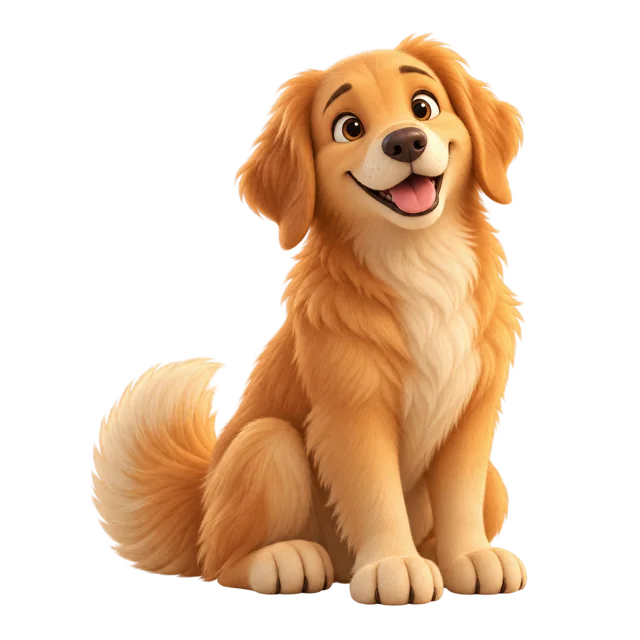
- Wolf or dog spirit animal: what is the difference?
- Both are loyal and social. The dog pattern is warmer, more trusting and happier to be led; the wolf pattern is more guarded, more instinctive and expects to earn its place. If you trust first, read the dog. If trust has to be earned, you are the wolf.