
Social
Clearly group-recharging
3.6avg · 0 to 5
Solo depthGroup recharge
Horses: average 3.6 out of 5, middle half between 2.5 and 5.0. All quiz takers: 2.7.70% lean group-recharging. The middle half sits between 2.5 and 5.0.
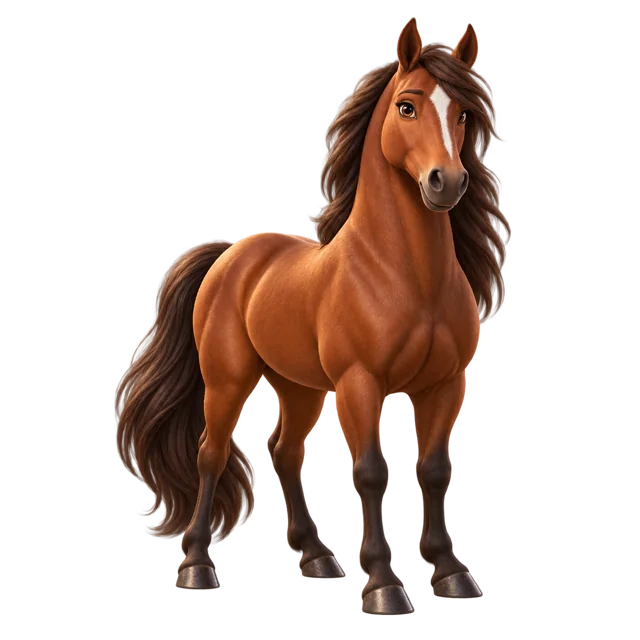
A Horse personality is free-spirited, energetic, resilient, and cooperative on equal terms. In people, this pattern often appears as a need for movement, meaningful autonomy, and relationships built on mutual respect. At its best, it brings stamina and willing partnership. When overused, freedom can become reflexive resistance, motion can replace direction, and routine can feel restrictive even when it protects an important goal.
Only 4.7% of 14,335 people are Horses.
See how all 31 types rankFrom our quiz community
Every completed Horse result, stacked on the quiz's six trait scales. The taller the column, the more Horses landed there.
 Horse average
Social
3.6avg · 0 to 5
70% lean group-recharging. The middle half sits between 2.5 and 5.0.
Energy
4.9avg · 0 to 5
100% lean high-momentum. The middle half sits between 5.0 and 5.0.
Thinking
4.2avg · 0 to 5
98% lean intuitive. The middle half sits between 3.5 and 5.0.
Role
3.8avg · 0 to 5
79% lean owner-minded. The middle half sits between 3.0 and 5.0.
Adaptability
5.0avg · 0 to 5
100% lean pivot-ready. The middle half sits between 5.0 and 5.0.
Expression
2.9avg · 0 to 5
58% lean expressive. The middle half sits between 2.0 and 4.0.
Are you a typical Horse?Take the quiz and see your own dot on these six scales.
Find your spotSource: 669 completed Animal Personality Quiz results with all six scores. Scores are displayed on the quiz's 0–5 scale; the middle half is the range between the 25th and 75th percentile. Latest included result: 2026-10-14. Updated daily. Visitors choose to take the quiz; these averages don't represent the wider population. No individual answers or identities are published here.
Start with the pattern that feels most familiar. You do not need to recognize every line for this result to be useful.
Horse personality traits
A trait is not automatically a strength. Its effect depends on the situation, the degree, and whether you can choose a different response when the moment calls for one.
When it helps
You bring independent judgment and often notice options that rigid plans leave out.
When it is overused
Any limit can start to feel illegitimate, including a useful commitment you freely chose.
When it helps
You create momentum through visible effort, movement, and willingness to engage with the work directly.
When it is overused
Constant motion may crowd out reflection, recovery, or the quiet part of finishing.
When it helps
You can regain footing after disruption and continue without making one setback define the whole effort.
When it is overused
Bouncing back quickly can keep you from examining why the same setback repeats.
When it helps
You work well beside people who share responsibility and respect one another's room to act.
When it is overused
You may withdraw from cooperation when coordination feels like control, even if the request is reasonable.
Work style
Horses often contribute sustained energy and independent execution. They can carry a demanding piece of work, adapt in motion, and partner closely without needing constant direction. They tend to resist micromanagement, but autonomy works best when commitments and checkpoints are explicit.
Giving feedback
Speak plainly about the outcome and give the Horse room to respond. Feedback is easier to use when it identifies the boundary that matters and leaves the person some choice in how to correct course.
Pressure patterns
Under pressure, a Horse may become restless, reject input too quickly, or escape into a new activity that restores a sense of freedom. The behavior may signal a real loss of agency, simple fatigue, or avoidance. A direct conversation can distinguish them.
The useful need is often agency with direction: a meaningful choice inside clear responsibilities, plus enough room to recover.
Move your body or change setting for ten minutes, then return and write the commitment in your own words. Choose one part you can shape and one boundary you agree to honor.
Everyday connection
Horses may show care through shared experiences, practical presence, and inviting people into movement. Closeness works better when freedom is discussed as a mutual need rather than used to avoid dependable contact or difficult conversations.
A Horse friend may prefer doing something together over a long scheduled check-in. Spontaneity can keep the bond lively, while an occasional firm plan tells the other person that the friendship is not dependent on convenience.
Equality and personal room often matter. Partners can define what freedom means in practice, including time alone, social plans, money, and commitments, so nobody has to infer the rules after a conflict.
A Horse may bring energy and new experiences into family life. Predictable responsibilities still need an owner. Choosing them openly can feel different from having them imposed.
Start a real conversation
A label cannot tell you what another person needs. These open questions give them room to explain their own preference.
Practice, not perfection
Choose one exercise for a week. Small experiments reveal more than trying to overhaul your personality all at once.
When a reasonable limit immediately feels controlling
Try this
Restate its purpose, negotiate one part, and consciously agree or decline.
Notice
Whether chosen structure feels different from assumed restriction.
When a new possibility pulls attention away
Try this
Complete one visible unit of the current work before exploring the new idea.
Notice
Whether completion creates its own kind of freedom.
When you ask for more space
Try this
Name the time, choice, or responsibility you want to control and what you will still honor.
Notice
Whether specificity reduces defensiveness on both sides.
Before an energetic push
Try this
Put the recovery period on the calendar before starting.
Notice
Whether stamina improves when rest is part of the commitment.
Same animal, different person
People with the same animal result can look quite different. Your social energy, pace, decision style, preferred role, adaptability, and expression all shape how the pattern shows up. These examples are reflection prompts, not separate personality types. You may recognize more than one.
Solo depth + pivot-ready action
Explores new routes privately and values the ability to change course without a long approval process.
Group recharge + expressive communication
Creates connection through activity, shared novelty, and visible enthusiasm.
Stability preference + contributor role
Uses stamina in service of a team and values trust more than formal authority.
High momentum + role ownership
Takes the lead when movement stalls and prefers a clear destination with latitude in the route.
Beyond the stereotype
Many keep demanding commitments when they have genuine choice and understand the purpose.
Autonomy and connection can reinforce each other when neither person uses closeness as control.
Some channel energy into sustained work, exercise, or quiet movement rather than novelty.
Questioning control can be useful, but responsibility also includes accepting justified limits.
Horse personality FAQ
The short version of this guide, for anyone who wants the answer before the detail.
Charisma style
You make life feel faster and more possible.
Free and adventurous. You make people want to go somewhere new.
See all 6 charisma stylesEveryday situations
Compare the Horse pattern with nearby results that share some of the same trait dimensions.

Fast and competitive, you’re always chasing goals. Cheetahs embody speed, focus, and ambition.
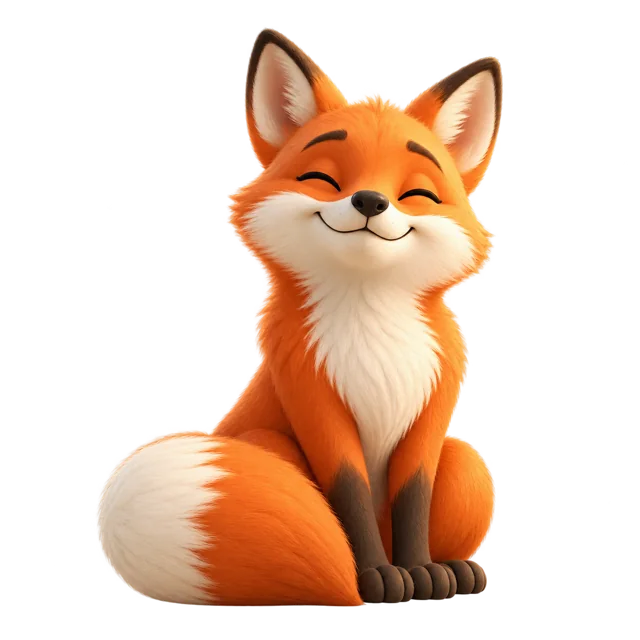
You're clever, adaptable, and resourceful. You excel at finding creative solutions and navigating complex situations with wit and charm.

Bold and determined, you radiate fierce energy. Tigers are powerful personalities driven by ambition and courage.

Energetic and protective, you’re driven by family and community. Kangaroos balance strength with nurturing instincts.