
Social
Clearly solo-recharging
1.0avg · 0 to 5
Solo depthGroup recharge
Cats: average 1.0 out of 5, middle half between 0.0 and 1.5. All quiz takers: 2.7.84% lean solo-recharging. The middle half sits between 0.0 and 1.5.
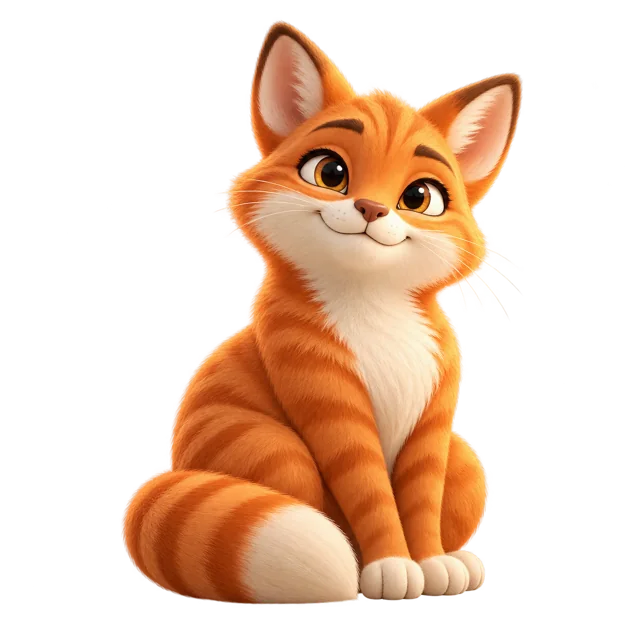
A Cat personality is independent, curious, self-directed, and selective about closeness. In people, this pattern often appears as comfort working alone, a private inner life, and affection shown on personal terms rather than by constant contact. At its best, it brings quiet competence and genuine choice. When overused, independence can become isolation, privacy can leave others guessing, and resistance to pressure can reject even a reasonable request.
Only 4.2% of 14,321 people are Cats.
See how all 31 types rankFrom our quiz community
Every completed Cat result, stacked on the quiz's six trait scales. The taller the column, the more Cats landed there.
 Cat average
Social
1.0avg · 0 to 5
84% lean solo-recharging. The middle half sits between 0.0 and 1.5.
Energy
1.4avg · 0 to 5
75% lean deliberate. The middle half sits between 0.0 and 2.0.
Thinking
2.6avg · 0 to 5
46% lean intuitive. The middle half sits between 2.0 and 3.5.
Role
0.8avg · 0 to 5
91% lean contributor-minded. The middle half sits between 0.0 and 1.5.
Adaptability
3.8avg · 0 to 5
95% lean pivot-ready. The middle half sits between 3.0 and 4.5.
Expression
1.9avg · 0 to 5
62% lean reserved. The middle half sits between 0.5 and 3.0.
Are you a typical Cat?Take the quiz and see your own dot on these six scales.
Find your spotSource: 519 completed Animal Personality Quiz results with all six scores. Scores are displayed on the quiz's 0–5 scale; the middle half is the range between the 25th and 75th percentile. Latest included result: 2026-09-30. Updated daily. Visitors choose to take the quiz; these averages don't represent the wider population. No individual answers or identities are published here.
Start with the pattern that feels most familiar. You do not need to recognize every line for this result to be useful.
Cat personality traits
A trait is not automatically a strength. Its effect depends on the situation, the degree, and whether you can choose a different response when the moment calls for one.
When it helps
You can make progress without constant supervision, approval, or social reinforcement.
When it is overused
Doing everything alone may hide a need for help until the problem becomes expensive.
When it helps
You investigate what catches your attention and often learn through direct exploration.
When it is overused
Interest may move on before routine follow-through turns discovery into something useful.
When it helps
You choose methods that fit the problem and take ownership of your attention.
When it is overused
A preference for your own method can make coordination feel like an intrusion.
When it helps
You invest attention and trust with care rather than offering automatic intimacy.
When it is overused
People may receive so little signal that they cannot tell whether the relationship matters to you.
Work style
Cats often contribute focused independent work and fresh observation. They may notice details while others are talking and return with a solution after private exploration. Autonomy helps, but shared work still needs visible progress, early warnings, and agreements that do not depend on mind-reading.
Giving feedback
Keep feedback specific, direct, and free of forced warmth. Give the Cat room to process, but agree on a response time. Critique the effect of the behavior instead of treating quietness or independence as the problem by itself.
Pressure patterns
Under pressure, a Cat may withdraw, become terse, or defend personal space more sharply than the situation requires. Withdrawal may be useful regulation, but it can also leave a shared problem unattended. A clear return time protects both needs.
The useful need is often protected space with a clear doorway back: time to regain composure and an agreement about what still requires contact.
State that you need space, name when you will return, and identify the one question that must be answered then. Use the break to settle, not to build a private case.
Everyday connection
Cats may show care through chosen presence, remembered preferences, practical gestures, and sharing parts of a private world. Loved ones should respect space, while the Cat takes responsibility for making affection and commitment visible enough to be understood.
A Cat friend may prefer low-pressure contact and relationships that resume easily after quiet periods. Different contact needs deserve a real agreement; neither frequent messages nor long silence should become the unspoken default.
Personal space can support closeness when both people know what it means. Name needs for solitude, affection, plans, and response time directly. Withdrawing during conflict needs a promised return, not an indefinite closed door.
A Cat may resist compulsory togetherness while caring deeply about specific family members. Families can offer invitations without guilt, and the Cat can contribute by answering clearly instead of leaving every invitation unresolved.
Start a real conversation
A label cannot tell you what another person needs. These open questions give them room to explain their own preference.
Practice, not perfection
Choose one exercise for a week. Small experiments reveal more than trying to overhaul your personality all at once.
When you need to withdraw from a tense exchange
Try this
Name a specific time to resume before taking space.
Notice
Whether solitude works better when the relationship is not left guessing.
When private work is mostly formed but not polished
Try this
Show one trusted person the draft and ask a narrow question.
Notice
Whether early input saves effort without taking away ownership.
When you assume someone knows they matter
Try this
Send one specific message or make one concrete gesture that says so.
Notice
What changes when affection does not depend on interpretation.
When a task would be easier with help
Try this
Request one bounded contribution while keeping ownership of the rest.
Notice
Whether support can increase autonomy rather than reduce it.
Same animal, different person
People with the same animal result can look quite different. Your social energy, pace, decision style, preferred role, adaptability, and expression all shape how the pattern shows up. These examples are reflection prompts, not separate personality types. You may recognize more than one.
Solo depth + analytical thinking
Builds expertise quietly and prefers to speak when there is something precise to add.
Pivot-ready action + intuitive thinking
Follows interest across subjects and learns by exploring without a fixed route.
Group recharge + reserved communication
Enjoys company in chosen settings while keeping disclosure and contact measured.
Role ownership + stability preference
Takes responsibility for a defined area and protects it through consistent personal standards.
Beyond the stereotype
Some people express care through attention and reliable gestures rather than frequent reassurance.
They may prefer bounded, respectful help and still benefit from dependable relationships.
A private inner life is compatible with honesty. Shared commitments still require relevant disclosure.
Many work well in teams that combine clear coordination with room for independent execution.
Cat personality FAQ
The short version of this guide, for anyone who wants the answer before the detail.
Charisma style
You say little, and people lean in.
Independent and a little mysterious. Your approval feels earned.
See all 6 charisma stylesEveryday situations
Compare the Cat pattern with nearby results that share some of the same trait dimensions.

Private yet caring, you protect your inner world. Hedgehogs are cautious, thoughtful, and quietly nurturing.
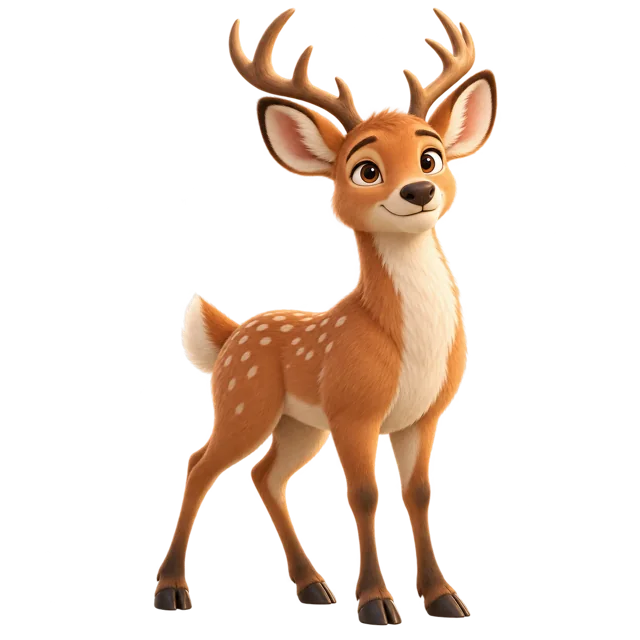
Graceful and sensitive, you bring gentleness to every space. Deer personalities are compassionate, artistic, and empathetic.

Resilient and resourceful, you endure challenges with strength. Camels embody perseverance and adaptability.
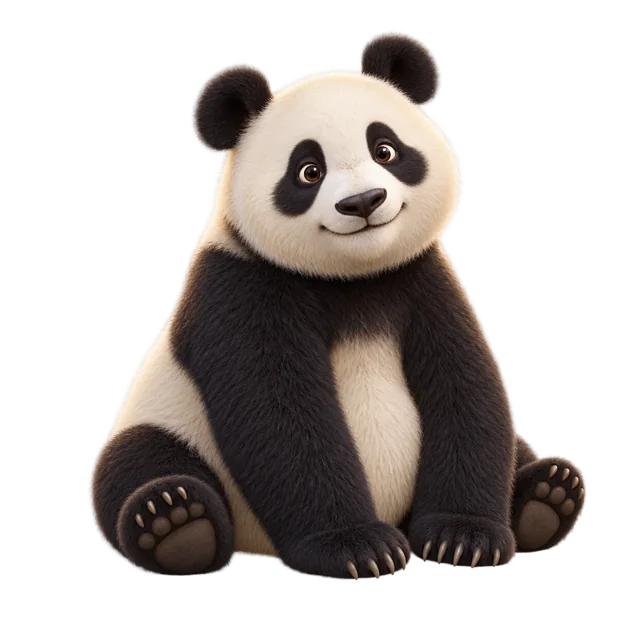
Gentle and peaceful, you radiate calm. Pandas are kind-hearted souls who value harmony and balance.