
Social
Clearly solo-recharging
1.0avg · 0 to 5
Solo depthGroup recharge
Snakes: average 1.0 out of 5, middle half between 0.0 and 1.5. All quiz takers: 2.7.83% lean solo-recharging. The middle half sits between 0.0 and 1.5.
A Snake personality is intuitive, strategic, private, and comfortable with reinvention. In people, this pattern often appears as careful observation, selective disclosure, and a preference for moving after the situation becomes clear. At its best, it sees beneath the obvious and changes without unnecessary display. When overused, intuition can harden into suspicion, strategy can keep motives hidden, and privacy can leave collaborators unable to tell where they stand.
Only 3.5% of 14,414 people are Snakes.
See how all 31 types rankFrom our quiz community
Every completed Snake result, stacked on the quiz's six trait scales. The taller the column, the more Snakes landed there.
 Snake average
Social
1.0avg · 0 to 5
83% lean solo-recharging. The middle half sits between 0.0 and 1.5.
Energy
2.0avg · 0 to 5
59% lean deliberate. The middle half sits between 1.0 and 3.0.
Thinking
4.8avg · 0 to 5
100% lean intuitive. The middle half sits between 5.0 and 5.0.
Role
2.4avg · 0 to 5
47% lean contributor-minded. The middle half sits between 1.0 and 3.5.
Adaptability
4.6avg · 0 to 5
99% lean pivot-ready. The middle half sits between 4.0 and 5.0.
Expression
2.2avg · 0 to 5
52% lean reserved. The middle half sits between 1.0 and 3.0.
Are you a typical Snake?Take the quiz and see your own dot on these six scales.
Find your spotSource: 510 completed Animal Personality Quiz results with all six scores. Scores are displayed on the quiz's 0–5 scale; the middle half is the range between the 25th and 75th percentile. Latest included result: 2026-10-15. Updated daily. Visitors choose to take the quiz; these averages don't represent the wider population. No individual answers or identities are published here.
Start with the pattern that feels most familiar. You do not need to recognize every line for this result to be useful.
Snake personality traits
A trait is not automatically a strength. Its effect depends on the situation, the degree, and whether you can choose a different response when the moment calls for one.
When it helps
You notice patterns and tensions before you can always explain them in formal steps.
When it is overused
A strong impression may be treated as proof without checking the facts or another person's account.
When it helps
You consider timing, leverage, and downstream effects before making a visible move.
When it is overused
Careful positioning can make a simple direct conversation feel like a contest of moves.
When it helps
You protect attention and disclose personal information with intention.
When it is overused
Relevant context may remain hidden from people whose work or trust depends on it.
When it helps
You can release an outdated identity, method, or plan and build around new information.
When it is overused
Reinvention may happen privately and abruptly, giving close people no chance to understand the transition.
Work style
Snakes often contribute pattern recognition and deliberate change. They can sit with ambiguity, identify the leverage point, and replace an old approach once it no longer fits. Their strategy earns trust when they make relevant reasoning and consequences visible to the people affected.
Giving feedback
Bring specific behavior and invite the Snake to explain the reasoning. If missing disclosure caused harm, name exactly what needed to be shared and when. Avoid moral claims about privacy, intuition, or mystery.
Pressure patterns
Under pressure, a Snake may become watchful, reveal less, or build a detailed theory about motives without testing it. This can feel safer than risking a direct answer, but it also makes allies look like unknown variables. One verified fact is often more useful than another private scenario.
The useful need is often privacy with reliable information: enough protected space to think and a direct way to verify what the situation actually requires.
Write the pattern you suspect, two facts that support it, and one alternative explanation. Ask the question that would distinguish the two before making the strategic move.
Everyday connection
Snakes may show care through close attention, discretion, and revealing a private part of themselves over time. Intimacy grows when selectivity does not become a maze and when loved ones receive the information they need to make their own choices.
A Snake friend may prefer a few confidential, substantial relationships. Trust builds slowly and can run deep. Friends should respect privacy, while the Snake avoids using silence to make others prove loyalty or guess what went wrong.
Depth and personal transformation may matter more than constant social display. During conflict, state the concern before retreating into analysis. A partner cannot respond fairly to a conclusion they have not heard.
A Snake may recognize unspoken family patterns and choose to break one. Explaining the new boundary can reduce confusion without requiring a full defense or disclosure of every private reason.
Start a real conversation
A label cannot tell you what another person needs. These open questions give them room to explain their own preference.
Practice, not perfection
Choose one exercise for a week. Small experiments reveal more than trying to overhaul your personality all at once.
When you feel certain about an unspoken motive
Try this
Write one alternative explanation and ask a neutral question that could disconfirm your view.
Notice
Whether the first reading becomes sharper or less certain.
When private context affects a shared choice
Try this
Share the minimum fact the other person needs to decide fairly.
Notice
Whether clarity increases without violating personal privacy.
When you are ready to leave an old role or method
Try this
Tell affected people what is changing, what is not, and when it starts.
Notice
Whether reinvention creates less avoidable damage.
When strategy produces several indirect options
Try this
Try the respectful direct request first unless a real safety issue prevents it.
Notice
How often clarity removes the need for maneuvering.
Same animal, different person
People with the same animal result can look quite different. Your social energy, pace, decision style, preferred role, adaptability, and expression all shape how the pattern shows up. These examples are reflection prompts, not separate personality types. You may recognize more than one.
Solo depth + intuitive thinking
Observes privately and notices the theme connecting details other people treat separately.
Analytical thinking + deliberate pace
Tests impressions against evidence and chooses timing with care.
Role ownership + expressive communication
Names an outdated pattern and gives people a clear route into the change.
Pivot-ready action + group recharge
Builds trusted relationships while helping people revise a plan as new context appears.
Beyond the stereotype
Privacy and strategic thought are not deception. Honesty becomes necessary when information affects another person's choice.
Intuition is an impression that can guide a question; it still benefits from evidence and correction.
Selective disclosure can protect attention and dignity without concealing harm or breaking an agreement.
Change can include explanation, repair, and useful parts of the identity or practice that came before.
Snake personality FAQ
The short version of this guide, for anyone who wants the answer before the detail.
Charisma style
You say little, and people lean in.
Intuitive and strategic. People sense you have already worked it out.
See all 6 charisma stylesEveryday situations
Compare the Snake pattern with nearby results that share some of the same trait dimensions.

Independent and curious, you carve your own path. Cats are self-sufficient, mysterious, and thrive on freedom.
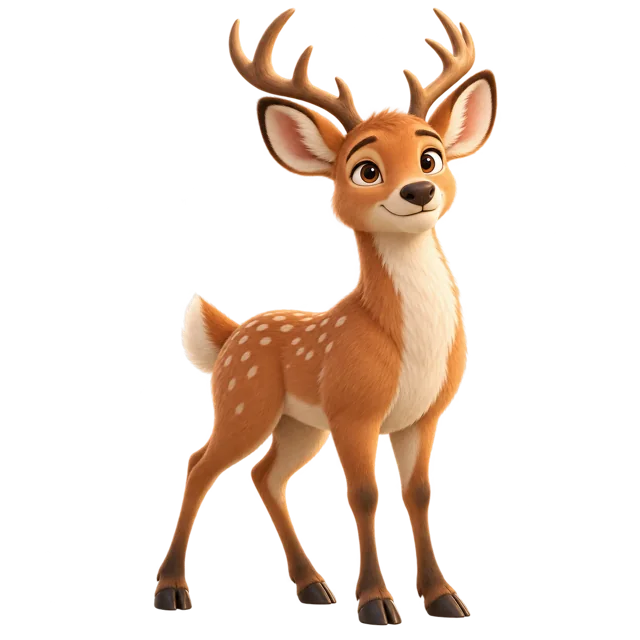
Graceful and sensitive, you bring gentleness to every space. Deer personalities are compassionate, artistic, and empathetic.

Resilient and resourceful, you endure challenges with strength. Camels embody perseverance and adaptability.
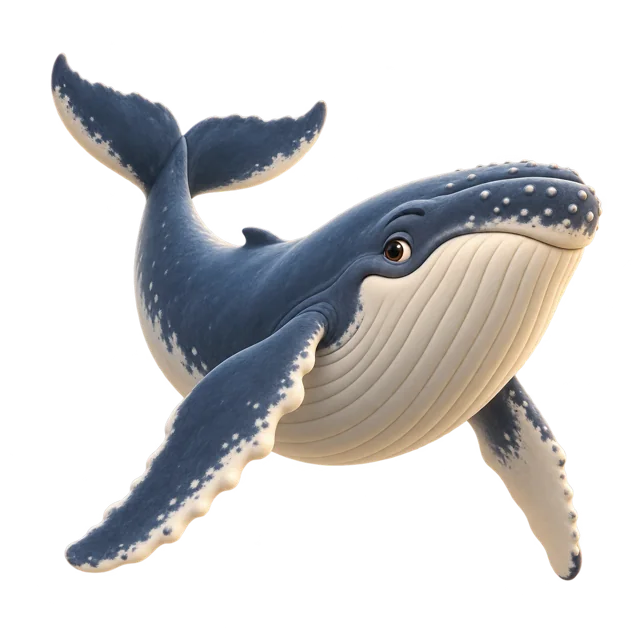
Calm and empathetic, you embody depth and wisdom. Whales are gentle giants with strong intuition and compassion.