
Social
Strongly group-recharging
4.7avg · 0 to 5
Solo depthGroup recharge
Monkeys: average 4.7 out of 5, middle half between 4.5 and 5.0. All quiz takers: 2.7.97% lean group-recharging. The middle half sits between 4.5 and 5.0.
A Monkey personality is playful, curious, energetic, and quick-witted. In people, this pattern often appears as rapid learning, social experimentation, humor, and comfort changing direction when something interesting appears. At its best, it loosens stuck thinking and turns discovery into shared energy. When overused, novelty can replace completion, humor can dodge a serious moment, and constant motion can scatter attention across too many promising starts.
Only 3.5% of 14,333 people are Monkeys.
See how all 31 types rankFrom our quiz community
Every completed Monkey result, stacked on the quiz's six trait scales. The taller the column, the more Monkeys landed there.
 Monkey average
Social
4.7avg · 0 to 5
97% lean group-recharging. The middle half sits between 4.5 and 5.0.
Energy
4.8avg · 0 to 5
98% lean high-momentum. The middle half sits between 5.0 and 5.0.
Thinking
3.5avg · 0 to 5
76% lean intuitive. The middle half sits between 3.0 and 4.5.
Role
2.4avg · 0 to 5
45% lean contributor-minded. The middle half sits between 1.5 and 3.5.
Adaptability
4.9avg · 0 to 5
100% lean pivot-ready. The middle half sits between 5.0 and 5.0.
Expression
4.7avg · 0 to 5
98% lean expressive. The middle half sits between 4.5 and 5.0.
Are you a typical Monkey?Take the quiz and see your own dot on these six scales.
Find your spotSource: 507 completed Animal Personality Quiz results with all six scores. Scores are displayed on the quiz's 0–5 scale; the middle half is the range between the 25th and 75th percentile. Latest included result: 2026-10-15. Updated daily. Visitors choose to take the quiz; these averages don't represent the wider population. No individual answers or identities are published here.
Start with the pattern that feels most familiar. You do not need to recognize every line for this result to be useful.
Monkey personality traits
A trait is not automatically a strength. Its effect depends on the situation, the degree, and whether you can choose a different response when the moment calls for one.
When it helps
You lower the cost of trying, help people relax, and make experimentation feel safer when a problem has become heavy.
When it is overused
Play can become avoidance when the situation calls for grief, accountability, patience, or a direct answer.
When it helps
You ask lively questions, follow unexpected connections, and learn quickly through contact with new people and ideas.
When it is overused
Each new possibility can pull attention from the work that needs repetition, depth, or an unglamorous finish.
When it helps
You create movement and can help a group begin before uncertainty turns into paralysis.
When it is overused
A pace that feels exciting to you may exhaust other people or leave too little time to notice your own limits.
When it helps
You respond fast, make useful associations, and often find language that helps a group see a problem differently.
When it is overused
The fastest or funniest response can win the moment while weakening trust, precision, or another person's chance to be heard.
Work style
Monkeys often contribute possibility and momentum. They generate options, connect people and ideas, and make early experiments easier to start. They tend to enjoy variety and visible feedback. The work becomes more dependable when discovery has a container, ownership is explicit, and finishing receives as much design as beginning.
Giving feedback
Keep feedback direct, current, and tied to an observable effect. A long preamble may lose the Monkey's attention before the point arrives. Acknowledge the useful intention, name the missed commitment or impact, and agree on one next action with a date.
Pressure patterns
Under pressure, a Monkey may jump between tasks, fill silence with humor, seek more stimulation, or promise a quick recovery before understanding the problem. These behaviors can also have other causes. Ask what feels overloaded rather than assuming the person does not care.
The useful need is often a smaller field of attention: one clear commitment, a near feedback point, and enough freedom to choose how the work gets there.
List every open loop, circle the one with the clearest consequence, and spend twenty focused minutes closing or renegotiating it. Tell one affected person what changed and when they can expect the next update.
Everyday connection
Monkeys may show care through laughter, shared experiences, quick check-ins, and bringing fresh energy when someone feels stuck. Close relationships grow when that liveliness also makes room for repetition, quiet attention, and conversations that cannot be improved by changing the subject.
A Monkey may be an easy person to make plans with and a harder person to pin down when options multiply. Friends can ask for a clear yes or no. The Monkey can protect trust by declining early, confirming details, and showing up even when a newer invitation appears.
Novelty can keep a partnership lively, but security often grows through ordinary repetition. During conflict, humor helps only after both people feel understood. A plain acknowledgment of impact is more useful than a clever explanation of intent.
In family life, a Monkey may become the entertainer, idea generator, or person who helps everyone adapt. That role should not become a requirement to keep the mood light. Ask what the family needs and allow serious or quiet moments to remain serious or quiet.
Start a real conversation
A label cannot tell you what another person needs. These open questions give them room to explain their own preference.
Practice, not perfection
Choose one exercise for a week. Small experiments reveal more than trying to overhaul your personality all at once.
When a new idea feels more attractive than current work
Try this
Finish, delegate, or renegotiate one existing commitment before starting the new one.
Notice
Whether completion creates a cleaner kind of energy than novelty alone.
When humor arrives during a tense conversation
Try this
Let the joke pass, then state one sincere sentence about what you heard or what you need.
Notice
Whether the conversation becomes safer without becoming dull.
When research or brainstorming keeps branching
Try this
Collect three options, choose one small test, and put every other idea in a later list.
Notice
What the test teaches that another option would not.
When a useful routine starts feeling boring
Try this
Repeat it for five more days while changing only one small element that keeps you attentive.
Notice
Whether skill or trust grows after the excitement fades.
Same animal, different person
People with the same animal result can look quite different. Your social energy, pace, decision style, preferred role, adaptability, and expression all shape how the pattern shows up. These examples are reflection prompts, not separate personality types. You may recognize more than one.
Group recharge + expressive communication
Thinks aloud, reads the room quickly, and uses interaction to turn a loose idea into shared momentum.
Solo depth + pivot-ready action
Experiments independently, follows surprising connections, and returns with something concrete for others to test.
Contributor role + intuitive thinking
Adds fresh angles and energy inside a frame someone else holds, without needing to own the whole direction.
High momentum + group recharge
Moves between people and ideas quickly, spotting combinations that a slower or more isolated process might miss.
Beyond the stereotype
Playfulness can coexist with care and discipline. The issue is whether humor fits the moment and commitments are honored.
Some curious people sustain deep focus when learning remains active. Others benefit from clearer limits around exploration.
Variety may help, but meaningful responsibility, skill, and close relationships can hold attention too.
Someone can be lively and still feel uncertain, tired, or sensitive to exclusion. Visible energy does not tell the whole story.
Monkey personality FAQ
The short version of this guide, for anyone who wants the answer before the detail.
Charisma style
You light up the room and people turn to look.
Quick, playful and contagious. You are the reason the night got fun.
See all 6 charisma stylesEveryday situations
Compare the Monkey pattern with nearby results that share some of the same trait dimensions.

Playful, social, and highly intelligent, you bring joy wherever you go. Dolphins thrive on connection and curiosity.

You're a free spirit who embraces transformation. Butterflies move through life with grace, creativity, and an infectious optimism that inspires everyone they meet.
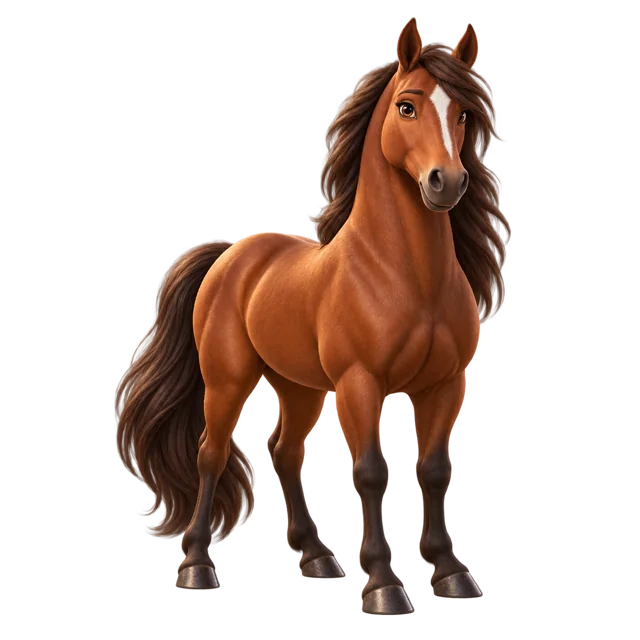
Free-spirited and strong, you thrive on adventure. Horses value strength, freedom, and connection to nature.

You're clever, adaptable, and resourceful. You excel at finding creative solutions and navigating complex situations with wit and charm.