
Social
Balanced — works both ways
2.7avg · 0 to 5
Solo depthGroup recharge
Wolves: average 2.7 out of 5, middle half between 1.5 and 4.0. All quiz takers: 2.7.49% lean group-recharging. The middle half sits between 1.5 and 4.0.
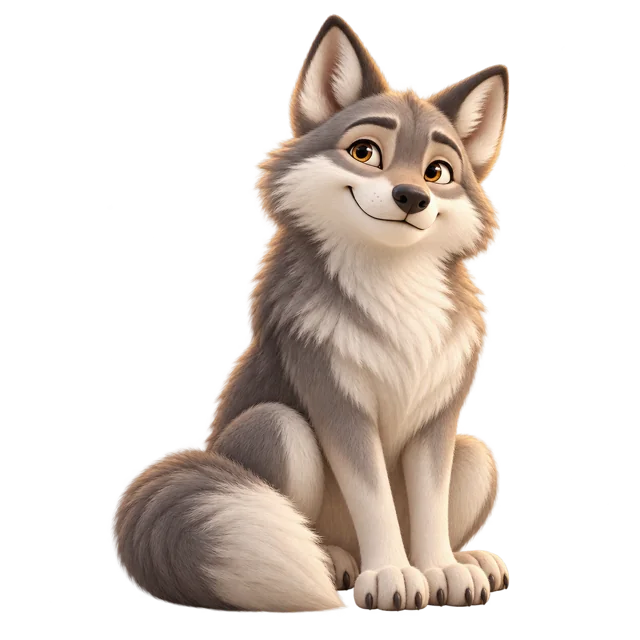
A Wolf personality is loyal, protective, cooperative, and independently minded. In people, this pattern often appears as deep commitment to a trusted group and a willingness to take responsibility when that group is under pressure. At its best, it creates dependable teamwork and honest bonds. When overused, loyalty can become exclusion, protection can become control, and shared identity can make outside ideas feel more threatening than they are.
From our quiz community
Every completed Wolf result, stacked on the quiz's six trait scales. The taller the column, the more Wolves landed there.
 Wolf average
Social
2.7avg · 0 to 5
49% lean group-recharging. The middle half sits between 1.5 and 4.0.
Energy
2.4avg · 0 to 5
46% lean deliberate. The middle half sits between 1.5 and 3.5.
Thinking
1.0avg · 0 to 5
84% lean analytical. The middle half sits between 0.0 and 2.0.
Role
4.7avg · 0 to 5
99% lean owner-minded. The middle half sits between 4.5 and 5.0.
Adaptability
2.5avg · 0 to 5
43% lean pivot-ready. The middle half sits between 1.5 and 3.0.
Expression
1.8avg · 0 to 5
62% lean reserved. The middle half sits between 1.0 and 2.5.
Are you a typical Wolf?Take the quiz and see your own dot on these six scales.
Find your spotSource: 336 completed Animal Personality Quiz results with all six scores. Scores are displayed on the quiz's 0–5 scale; the middle half is the range between the 25th and 75th percentile. Latest included result: 2026-10-15. Updated daily. Visitors choose to take the quiz; these averages don't represent the wider population. No individual answers or identities are published here.
Start with the pattern that feels most familiar. You do not need to recognize every line for this result to be useful.
Wolf personality traits
A trait is not automatically a strength. Its effect depends on the situation, the degree, and whether you can choose a different response when the moment calls for one.
When it helps
You remember commitments and stay engaged when a person or team moves through a hard stretch.
When it is overused
Loyalty may keep you defending a person, plan, or group after the facts call for a harder conversation.
When it helps
You notice threats to people you care about and are willing to act instead of assuming someone else will.
When it is overused
Protection can override another person's choice or turn a manageable disagreement into a fight.
When it helps
You coordinate well around a shared purpose and understand that trust grows through repeated follow-through.
When it is overused
Group unity may receive more weight than useful dissent or a newcomer's unfamiliar perspective.
When it helps
You can form your own judgment and carry your part without constant attention.
When it is overused
Self-reliance can make it hard to admit uncertainty or ask the group for support.
Work style
Wolves often contribute team cohesion with teeth. They do not merely keep the mood pleasant. They notice whether people keep promises, defend shared standards, and step into gaps when responsibility is unclear. This works best when loyalty belongs to the purpose and people, not to avoiding disagreement.
Giving feedback
Be direct, private when possible, and clear about the effect on the team or commitment. A Wolf may take relational breaches seriously, so separate the behavior from the person's membership in the group. Ask for their view before deciding what the behavior meant.
Pressure patterns
Under pressure, a Wolf may close ranks, become suspicious of outsiders, or carry responsibility without telling anyone how heavy it feels. A protective response can hide fear of losing trust or belonging. Ask what changed before assuming the person is simply territorial.
The useful need is often trustworthy contact: honest information, clear commitments, and evidence that disagreement will not lead to abandonment or humiliation.
Write down what happened, what you inferred, and which commitment was actually broken. Check the inference with the person involved, then agree on one repair or boundary.
Everyday connection
Wolves may show care through constancy, advocacy, and making someone part of daily life. Close bonds grow when protection leaves room for autonomy and when loyalty includes telling the truth rather than taking a loved one's side automatically.
A Wolf friend may maintain a small, trusted circle and show up when circumstances turn difficult. New friends may need explicit invitations because an established group's closeness can look closed from the outside.
Commitment and shared plans often matter. During conflict, the Wolf can ask whether their partner wants backing, advice, or space before stepping into protector mode. Trust also includes letting a partner make a choice the Wolf would not make.
A Wolf may become the organizer, defender, or keeper of family history. That role helps until it requires everyone to preserve the same version of the family. Healthy loyalty can include naming harm and changing an inherited rule.
Start a real conversation
A label cannot tell you what another person needs. These open questions give them room to explain their own preference.
Practice, not perfection
Choose one exercise for a week. Small experiments reveal more than trying to overhaul your personality all at once.
When the familiar group agrees quickly
Try this
Ask one newer or dissenting person what the group may be missing.
Notice
Whether belonging can expand without weakening trust.
When someone you care about faces a problem
Try this
Ask what kind of support they want before acting for them.
Notice
Whether care becomes more useful when choice stays with them.
When you feel pressure to defend a person or plan
Try this
Name one fact that supports it and one fact that challenges it.
Notice
Whether loyalty survives a more honest view.
When you quietly take responsibility for the group
Try this
Tell the group what you are carrying and request one specific handoff.
Notice
Who steps forward once the burden is visible.
Same animal, different person
People with the same animal result can look quite different. Your social energy, pace, decision style, preferred role, adaptability, and expression all shape how the pattern shows up. These examples are reflection prompts, not separate personality types. You may recognize more than one.
Solo depth + reserved communication
Protects people through preparation, private check-ins, and dependable action rather than visible command.
Group recharge + role ownership
Keeps people connected to the shared purpose and makes neglected responsibilities visible.
Pivot-ready action + contributor role
Explores on their own, then brings useful information back to the group.
Analytical thinking + expressive communication
Treats honest disagreement as part of loyalty and speaks before resentment spreads.
Beyond the stereotype
Many balance strong bonds with independent judgment and may challenge a group they care about.
Useful protection asks what the other person wants and respects their right to choose.
Loyalty and ownership do not replace judgment, listening, skill, or accountability.
A direct disagreement can strengthen trust when people keep respect and repair their part.
Wolf personality FAQ
The short version of this guide, for anyone who wants the answer before the detail.
Charisma style
People follow you before you ask them to.
Leader of the pack. Loyalty to your people is the source of your pull.
See all 6 charisma stylesEveryday situations
Compare the Wolf pattern with nearby results that share some of the same trait dimensions.

Relentless and driven, you stop at nothing to achieve your goals. Sharks embody focus, strength, and determination.

Hardworking and practical, you build with purpose. Beavers are persistent, detail-oriented, and thrive on creating lasting foundations.

Protective and resilient, you are a pillar of strength. Bears are steady, dependable, and grounded.
Visionary and ambitious, you soar above the crowd. Eagles are focused, determined, and freedom-seeking.