
Social
Clearly solo-recharging
1.1avg · 0 to 5
Solo depthGroup recharge
Hawks: average 1.1 out of 5, middle half between 0.0 and 2.0. All quiz takers: 2.7.82% lean solo-recharging. The middle half sits between 0.0 and 2.0.
A Hawk personality is focused, precise, decisive, and alert to performance. In people, this pattern often appears as sharp prioritization, high standards, and a willingness to act once the target is clear. At its best, it cuts through noise and catches drift early. When overused, focus can become tunnel vision, precision can become relentless criticism, and decisive action can outrun the context held by people closer to the work.
From our quiz community
Every completed Hawk result, stacked on the quiz's six trait scales. The taller the column, the more Hawks landed there.
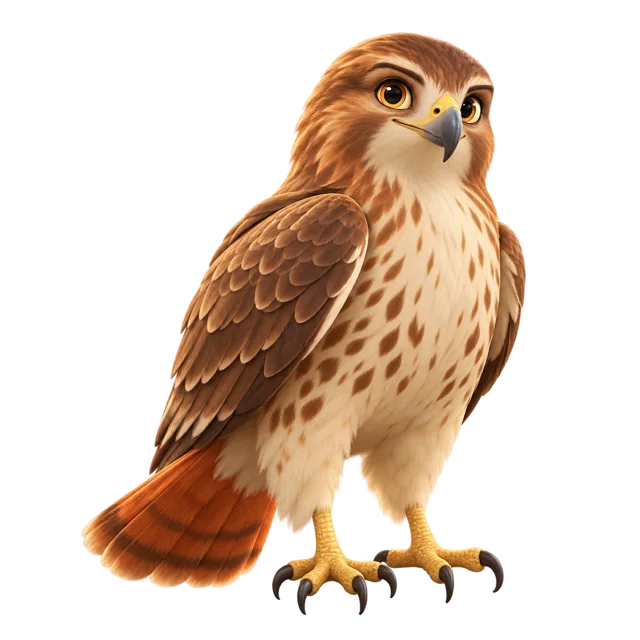 Hawk average
Social
1.1avg · 0 to 5
82% lean solo-recharging. The middle half sits between 0.0 and 2.0.
Energy
3.7avg · 0 to 5
77% lean high-momentum. The middle half sits between 3.0 and 5.0.
Thinking
1.1avg · 0 to 5
81% lean analytical. The middle half sits between 0.0 and 2.0.
Role
3.6avg · 0 to 5
73% lean owner-minded. The middle half sits between 2.5 and 5.0.
Adaptability
4.7avg · 0 to 5
99% lean pivot-ready. The middle half sits between 4.5 and 5.0.
Expression
1.3avg · 0 to 5
77% lean reserved. The middle half sits between 0.0 and 2.0.
Are you a typical Hawk?Take the quiz and see your own dot on these six scales.
Find your spotSource: 318 completed Animal Personality Quiz results with all six scores. Scores are displayed on the quiz's 0–5 scale; the middle half is the range between the 25th and 75th percentile. Latest included result: 2026-10-14. Updated daily. Visitors choose to take the quiz; these averages don't represent the wider population. No individual answers or identities are published here.
Start with the pattern that feels most familiar. You do not need to recognize every line for this result to be useful.
Hawk personality traits
A trait is not automatically a strength. Its effect depends on the situation, the degree, and whether you can choose a different response when the moment calls for one.
When it helps
You protect the target from distraction and keep attention on the result that matters.
When it is overused
Narrow attention may screen out relationship effects, changing conditions, or useful work outside the main target.
When it helps
You notice errors, vague standards, and small deviations before they compound.
When it is overused
Correction can continue past the point where extra precision changes the outcome.
When it helps
You can make a call with incomplete information and accept responsibility for movement.
When it is overused
Speed may deny other people a fair chance to supply relevant context or challenge the premise.
When it helps
You set a demanding standard and direct effort toward a visible result.
When it is overused
The target may crowd out recovery, learning, or a definition of enough.
Work style
Hawks often contribute precision and course correction. They clarify the target, notice when performance drifts, and make choices that restore direction. Unlike broad vision work, their strength is the exact line between current and required. It lands best when correction includes priorities and context, not a stream of equal-weight faults.
Giving feedback
Be exact. Show the missed effect, the relevant standard, and any context the Hawk overlooked. Direct feedback usually works better than a softened hint, but do not turn the exchange into a contest over who can be more critical.
Pressure patterns
Under pressure, a Hawk may narrow attention, increase correction, or take control because other people's pace feels unsafe. This can improve a true emergency and damage ordinary work. Clarifying the actual risk helps the person choose the right level of force.
The useful need is often a trustworthy view of the target: accurate status, clear ownership, and agreement about which errors matter now.
Write the target, the current gap, and the consequence if nothing changes. Choose the single correction with the greatest effect and leave lower-impact refinements for review.
Everyday connection
Hawks may show care through attention, direct advice, and active help with a goal. Loved ones can experience that focus as support or inspection. Asking whether feedback is wanted, and noticing life outside the target, keeps care from becoming constant evaluation.
A Hawk friend may offer honest observation and practical challenge. Friends can value that clarity while declining coaching. Shared enjoyment with no improvement goal gives the relationship more than a performance function.
Directness and dependable action may feel loving. During conflict, choose the issue that matters and leave minor evidence out. A partner needs to be understood, not defeated by the better case.
A Hawk may monitor plans, standards, or risks for the family. Other members still need room to learn through choices and acceptable mistakes. Responsibility should be agreed, not claimed through vigilance alone.
Start a real conversation
A label cannot tell you what another person needs. These open questions give them room to explain their own preference.
Practice, not perfection
Choose one exercise for a week. Small experiments reveal more than trying to overhaul your personality all at once.
When you notice several problems at once
Try this
Raise only the highest-impact issue and save the rest for a later review.
Notice
Whether focus improves uptake and results.
When you see how someone could improve
Try this
Ask whether they want an observation before giving it.
Notice
Whether consent changes how the message lands.
Before beginning a task
Try this
Define what must be exact, what tolerance is acceptable, and when review stops.
Notice
How much effort clear tolerances save.
When delegated work looks imperfect
Try this
Share the outcome gap and ask the owner for a recovery plan before taking it back.
Notice
Whether standards can rise without shrinking responsibility.
Same animal, different person
People with the same animal result can look quite different. Your social energy, pace, decision style, preferred role, adaptability, and expression all shape how the pattern shows up. These examples are reflection prompts, not separate personality types. You may recognize more than one.
Solo depth + analytical thinking
Studies the details privately and surfaces the deviation most likely to affect the result.
Role ownership + high momentum
Makes the call, clarifies the target, and organizes immediate correction.
Deliberate pace + stability preference
Tracks progress over time and acts when the evidence shows a meaningful pattern.
Expressive communication + group recharge
Uses direct observation and live feedback to help a willing group improve.
Beyond the stereotype
Precision and directness can be respectful. Harm depends on delivery, consent, context, and whether the standard is fair.
Decision quality also depends on evidence, relevant input, and willingness to revise.
Different tasks need different tolerances. Overprecision wastes effort and can reduce learning.
Focus and ownership help in some situations but do not replace listening, trust, judgment, or accountability.
Hawk personality FAQ
The short version of this guide, for anyone who wants the answer before the detail.
Charisma style
People follow you before you ask them to.
Few words, sharp calls. Your precision is what earns respect.
See all 6 charisma stylesEveryday situations
Compare the Hawk pattern with nearby results that share some of the same trait dimensions.
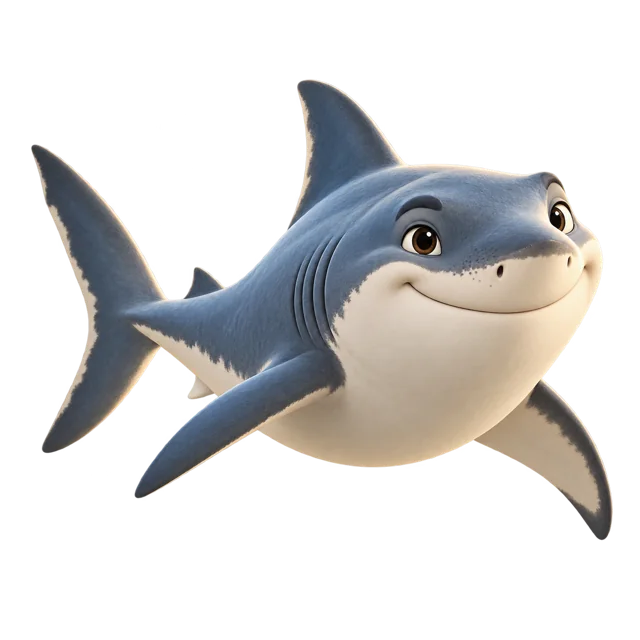
Relentless and driven, you stop at nothing to achieve your goals. Sharks embody focus, strength, and determination.
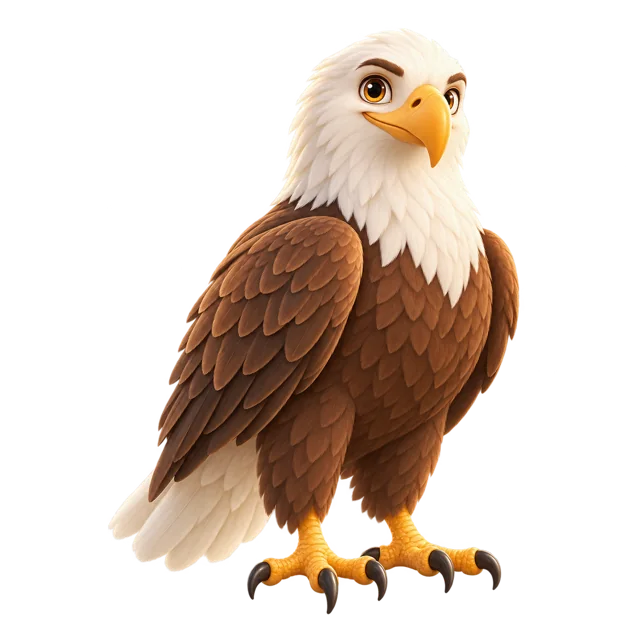
Visionary and ambitious, you soar above the crowd. Eagles are focused, determined, and freedom-seeking.

You're clever, adaptable, and resourceful. You excel at finding creative solutions and navigating complex situations with wit and charm.

Fast and competitive, you’re always chasing goals. Cheetahs embody speed, focus, and ambition.