Showing The Elephant and The Panda side by side.
Build your pair
Choose two animal types-yours and a teammate's, or any combo you're curious about. You'll see full result-page fields side by side, plus a collaboration brief tailored to your pair.
First person
You, your lead, or anyone in the mix
Second person
Someone you work with closely
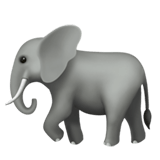
The Elephant
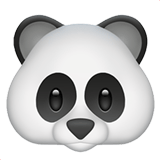
The Panda
How you two work together
Elephant’s deep empathy, wisdom, and patience pair well with Panda’s calm, gentle, harmony‑seeking nature; together they create a nurturing, stable environment that supports thoughtful decision‑making. However, both tend to avoid conflict and can become overly cautious, leading to stalled decisions or lingering issues.
Side-by-side profiles
The same fields as each full result page-so you can contrast style, strengths, and growth areas-not only the work blurb.
In a nutshell
Key traits
Closer look
The ElephantElephants are revered for their wisdom and compassion. If you are an elephant personality, you value connection, empathy, and tradition. You are often a caretaker and peacemaker, deeply in tune with the emotions of those around you.
Read full deep diveThe PandaPandas symbolize peace, harmony, and gentleness. As a panda personality, you are compassionate and nurturing, bringing calm to those around you. You value balance in life and avoid unnecessary conflict, preferring cooperation and understanding.
Read full deep diveAt work
In relationships
Strengths
Growth areas
Career ideas (informal)
Life philosophy
If you share a team
A closer look at how you'd collaborate day to day.
Strengths together
- Elephant’s big‑picture vision combined with Panda’s balanced perspective yields thorough, considerate planning.
- Both bring high emotional intelligence, fostering trust and psychological safety for the team.
- Elephant’s protective, nurturing drive complements Panda’s talent for maintaining harmony, smoothing interpersonal dynamics.
- Their shared patience allows them to navigate complex problems without rush, delivering thoughtful solutions.
Watch-outs
- Mutual aversion to confrontation can let problems fester → schedule regular check‑ins with a clear agenda to surface concerns early.
- Over‑cautiousness may delay decisions → set explicit decision deadlines and assign a “go‑ahead” owner.
- Elephant may carry others’ burdens while Panda may stay in a comfort zone → clarify role boundaries and encourage delegation.
- Tendency to hold onto past issues (Elephant) and avoid new challenges (Panda) → use a brief “what’s next” review at meeting end.
Communication tips
- Share a concise written pre‑read before meetings so both can process information at their own pace.
- Begin meetings with a quick emotional “check‑in” before moving to agenda items.
- Give feedback privately and gently, framing it as collaborative improvement.
- When decisions are needed, use a simple consensus checklist with a time limit to prevent endless deliberation.
For whole teams
Run this for everyone-not just one pairing
Get aggregate charts, exportable reports, shared links, and tailored insights across every teammate who takes the quiz-without losing the nuance of each animal type.